
Origin & Mining
How Himalayan Pink Salt Is Mined
Learn how Himalayan pink salt is mined at the Khewra Salt Mine in Pakistan, extraction methods, safety, processing, and what happens before it reaches your kitchen.
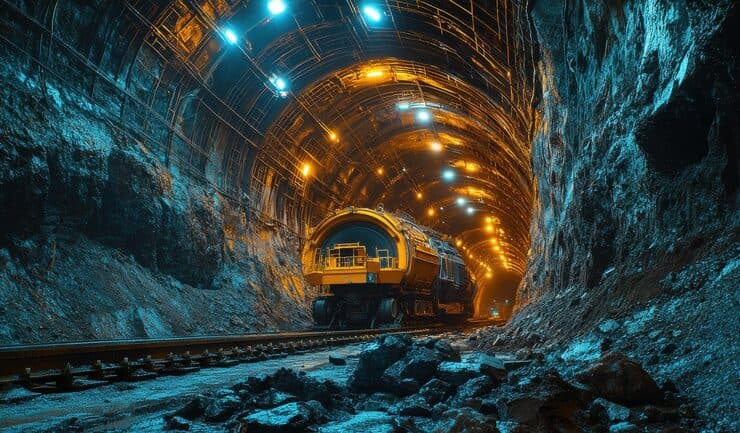
Mining Himalayan pink salt begins deep in the Salt Range of Pakistan, where ancient seabeds were buried and compressed millions of years ago. Today the Khewra Salt Mine and related workings supply most of the pink rock salt sold worldwide. Understanding extraction helps explain why the salt is a rock salt rather than an evaporated sea product.
For geological background, read where Himalayan pink salt comes from.
The Khewra Salt Mine
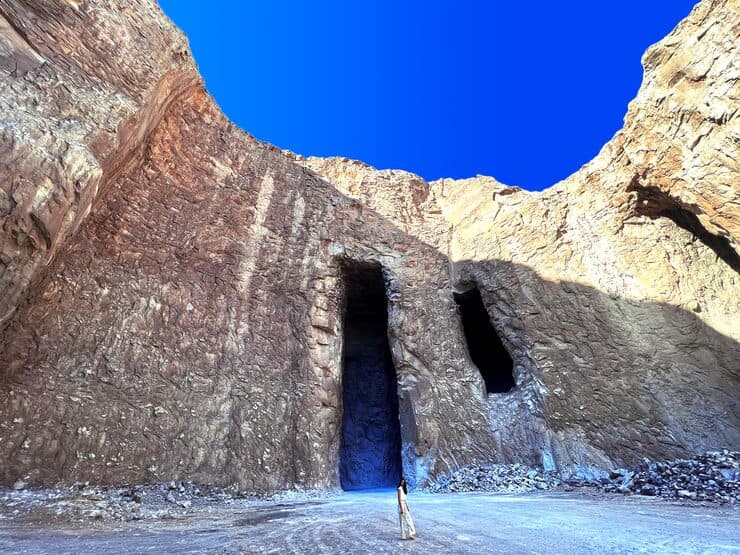
The Khewra mine in Punjab Province is the best-known source of Himalayan pink salt. It lies within a thick halite (rock salt) deposit tinted by trace iron compounds. The mine has operated for centuries and now produces food-grade salt, industrial salt, and material for lamps and decorative items.
Visitors often tour illuminated tunnels, sometimes described as a Himalayan pink salt cave experience. These chambers are part of the mined network, not separate natural caves in the tourist sense, though the geology is genuinely ancient.
Extraction methods
Modern mining combines traditional knowledge with machinery:
- Surveying and tunneling, Engineers map seams and open access tunnels.
- Cutting and blasting, Salt blocks are loosened with controlled techniques suited to the rock structure.
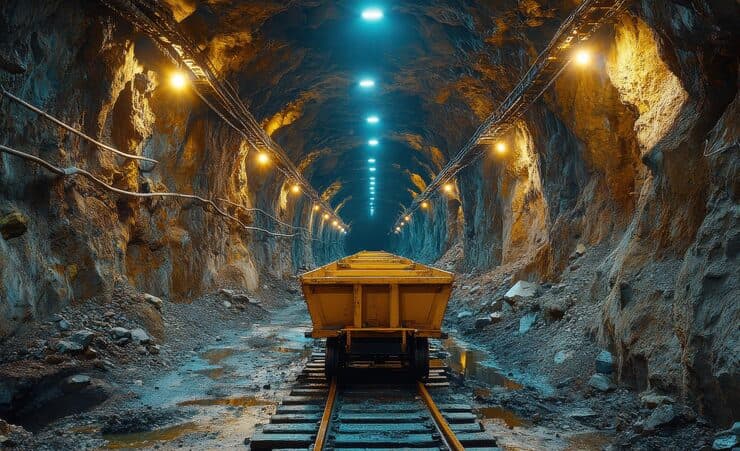
- Hauling, Salt moves via conveyors, rail carts, or loaders to processing zones.
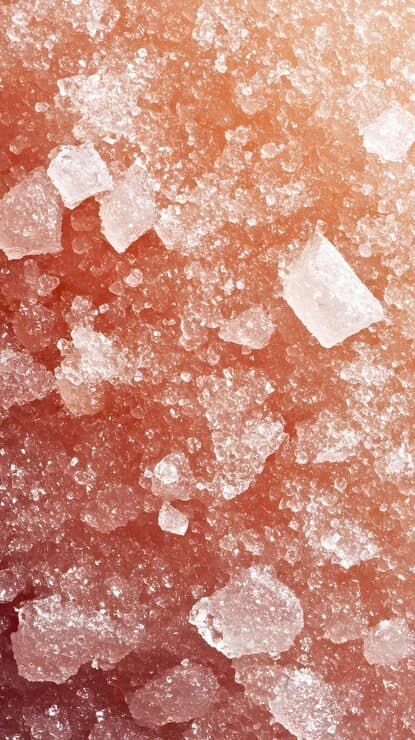
- Primary crushing, Large rocks break into smaller pieces for sorting.
Unlike open-pit mining for metals, salt mining often proceeds in horizontal layers following the deposit. Dust control and structural support are ongoing priorities underground.
From mine to food grade
Raw pink salt is not packaged straight from the tunnel for your table. Processing steps typically include:
| Step | Purpose |
|---|---|
| Crushing | Reduce rock to culinary grain sizes |
| Sieving | Separate fine, medium, and coarse grades |
| Washing (optional) | Remove surface debris; not all producers wash |
| Quality testing | Check for contaminants per market rules |
| Packaging | Bagging for retail, bulk, or industrial buyers |
Food-grade salt must meet regulatory limits for impurities. Reputable exporters document testing for markets such as the EU and United States.
Labor and scale
The industry employs thousands of workers locally. Wages and safety standards vary; international attention has pushed some suppliers toward better documentation and fair-trade style certification. As a consumer, sourcing from transparent brands is the practical way to support responsible operations, though labels are not perfect guarantees.
Environmental impact
Salt mining disrupts local geology but does not involve the chemical processing associated with some industrial minerals. Main concerns include land use, energy for operations, and fair treatment of workers. Transport emissions matter because much pink salt is shipped globally from Pakistan.
Himalayan salt mountain and geology
The Salt Range appears as uplifted rock layers exposed by tectonic forces. The "mountain" of salt is not a single pure salt peak visible on every postcard, it is a geological region where halite domes and beds are mined. The pink color comes from iron oxide (hematite) and related trace materials trapped during deposition.
What mining does not change
Mining does not create special healing properties in the salt. The chemical profile is set by geology long before extraction. Marketing sometimes romanticizes mine purity; scientifically, food safety and grain size matter more to home cooks than tunnel folklore.
After mining: your kitchen
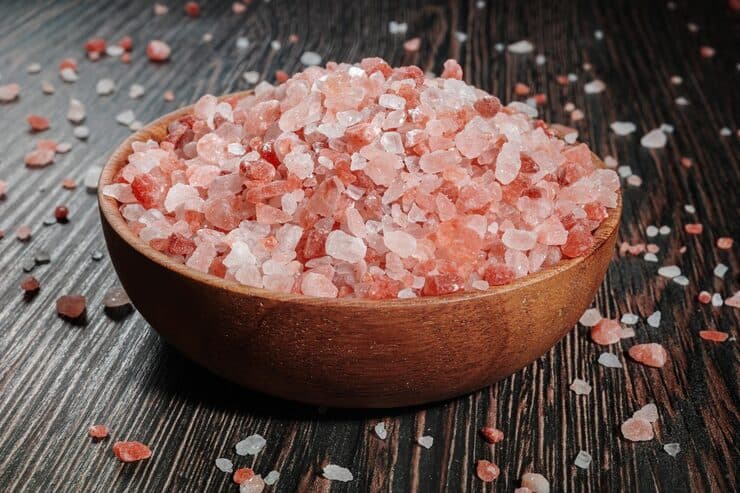
Most home cooks receive crushed crystals or grinder-ready rock. Explore coarse vs fine Himalayan pink salt to match grain to recipes, or read how to use Himalayan pink salt for everyday seasoning.
Large blocks for cooking come from selected dense sections of the deposit, see Himalayan salt blocks and slabs for how those differ from table salt production.
Frequently Asked Questions
- Where is Himalayan pink salt mined?
- Most commercial Himalayan pink salt comes from the Khewra Salt Mine in Punjab, Pakistan, one of the world's oldest salt mines. The deposit is part of the Salt Range geological formation.
- Is Himalayan pink salt mined by hand?
- Modern operations use a mix of mechanized cutting and manual labor. Methods vary by tunnel and company, but the basic process is drilling, blasting or cutting, and hauling rock salt to processing areas.
- Is mining Himalayan pink salt dangerous?
- Underground mining carries inherent risks including collapse, dust, and equipment hazards. Regulated mines follow safety protocols; conditions depend on the operator and local enforcement.
- What happens to salt after it is mined?
- Raw salt is crushed, sorted by grain size, sometimes washed, and packaged for food or industrial use. Food-grade salt must meet purity standards for the destination market.
- Are Himalayan salt caves natural?
- Some tourist "salt caves" are converted mine chambers. Natural salt cave formations exist in the region, but many visitor experiences are in mined tunnels illuminated for tours.
Related Reading
 Where Does Himalayan Pink Salt Come From?
Where Himalayan pink salt comes from, the Salt Range in Pakistan, ancient sea deposits, why it is pink, and how it differs from sea salt.
 What Is Himalayan Pink Salt?
What Himalayan pink salt is, composition, origin, color, culinary uses, and how it differs from table salt and sea salt.
 Coarse vs Fine Himalayan Pink Salt
Coarse vs fine Himalayan pink salt explained, texture, cooking uses, grinders, rock salt crystals, and how to choose the right grind.