
Salt Blocks
Himalayan Salt Blocks and Slabs Guide
How to use Himalayan salt blocks and slabs for cooking and serving, heating, cooling, cleaning, cracking prevention, and safety tips.
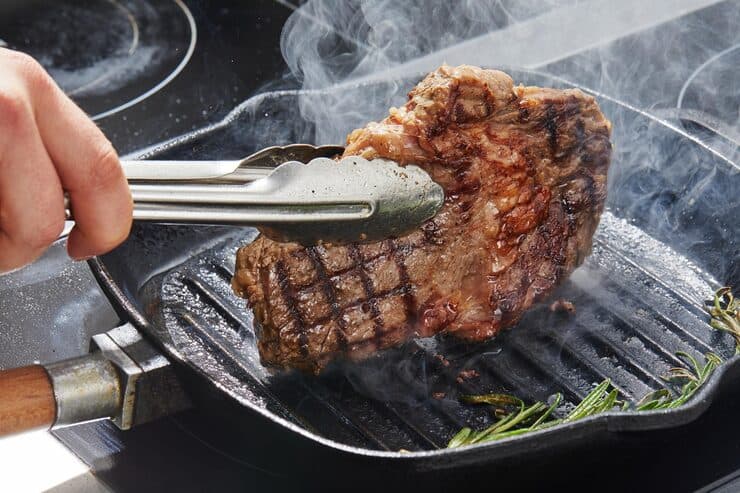
Himalayan salt blocks and slabs are thick pieces of food-grade rock salt used for cooking, chilling, and serving. They look impressive and add a light salt seasoning to whatever touches the surface. They also require care, rapid temperature changes crack them.
This guide covers practical use, not product shopping. For grain salt in everyday cooking, see how to use Himalayan pink salt.
Block vs slab
| Term | Typical meaning |
|---|---|
| Block | Thick piece for grilling or stovetop cooking |
| Slab | Often thinner; used for serving sushi, chocolate, or cured items |
| Plate | Marketing term; verify thickness and heat rating |
Thickness matters for heat retention. Thin slabs cool quickly and may not sustain searing temperatures.
First use: tempering
New blocks often arrive with moisture from packaging. Before high-heat cooking:
- Dry the block at low oven heat (around 200°F / 95°C) for an hour if instructions recommend it.
- Let it cool completely in the oven as it shuts off.
- Inspect for cracks before cooking.
Skipping tempering increases crack risk on first high-heat use.
Heating for cooking
Goal: Gradual rise to searing temperature (around 400–500°F / 200–260°C on the surface, depending on recipe).
Stovetop method (general):
- Place dry block on a cold burner.
- Low heat 10 minutes, medium 10 minutes, then high until a water drop evaporates quickly on contact.
- Oil the food lightly, not always the block, some cooks oil the block lightly for sticky items.
Grill method: Place on cold grate, lid closed, raise heat slowly.
Never: Drop a cold block on max heat or rinse a hot block under cold water.
Cooking ideas
- Steak or shrimp: Short contact sears and seasons simultaneously.
- Vegetables: Asparagus, zucchini, and mushrooms release moisture, watch for over-salting.
- Eggs: Fun presentation; control heat to avoid sticking.
- Serving cold: Freeze a slab for presenting sashimi, melon, or chocolate, mild salt kiss on the bottom.
Salt transfer is subtle but real. Very wet foods absorb more surface salt.
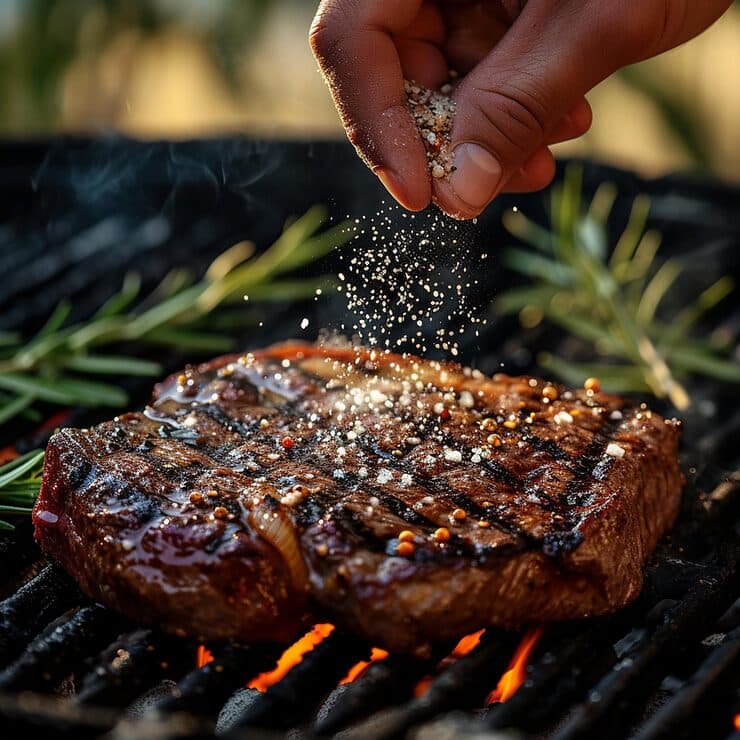
Cooling and serving
Refrigerate or freeze a clean, dry slab for 2+ hours before cold service. Do not move directly from freezer to hot oven without thawing, thermal shock applies both directions.
Cleaning and storage
- Scrape residue with a stiff plastic scraper while the block is warm (not blazing hot).
- Wipe with a barely damp cloth. No soap.
- Dry completely upright or on a rack.
- Store in low humidity. Some cooks wrap in towel inside a box.
Over time, blocks thin and develop fissures. Retire cracked blocks from high-heat duty.
Safety notes
- Hot blocks cause severe burns, use high-temperature gloves and warn guests.
- Porous salt can harbor bacteria if food particles remain, clean thoroughly.
- Blocks are heavy; support from underneath when carrying.
Blocks vs lamps vs table salt
Blocks are dense cooking tools. Pink Himalayan salt lamps are decorative lighting, never cook on a lamp. Table crystals come from the same geological source but different processing. Learn about grain sizes in coarse vs fine Himalayan pink salt.
Bottom line
Salt blocks reward patience: slow heating, gentle cleaning, realistic expectations about seasoning and lifespan. Treat them as a specialty tool, not a replacement for a skillet.
Frequently Asked Questions
- What do you cook on a Himalayan salt block?
- Thin proteins (steak, fish, shrimp), vegetables, and eggs are common. The block seasons food lightly while providing high, even heat when properly preheated.
- How do you heat a salt block?
- Start cold on the stove or grill and increase heat slowly over 15–20 minutes. Sudden high heat can crack the block. Follow your block's manufacturer instructions.
- Can salt blocks go in the oven?
- Many blocks tolerate oven use if heated gradually. Check product guidance; thin or cracked blocks should not be used.
- How do you clean a Himalayan salt block?
- Scrape off food bits while warm, wipe with a damp cloth, and air-dry. Avoid soap and dishwasher cycles, salt is porous and can absorb detergent.
- Why did my salt block crack?
- Thermal shock from heating or cooling too fast is the usual cause. Moisture in the block can also expand suddenly. Always heat and cool gradually.
Related Reading
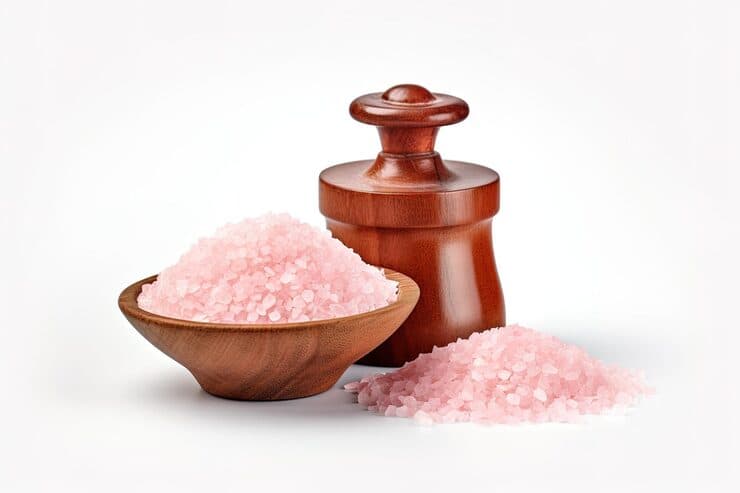 How to Use Himalayan Pink Salt
Learn how to use Himalayan pink salt in cooking, choosing grain size, seasoning amounts, grinding, storage, and common mistakes to avoid.
 Pink Himalayan Salt Lamp Guide
What Himalayan salt lamps are, how they work, setup and care, leaking moisture, electrical safety, and common benefit claims explained.
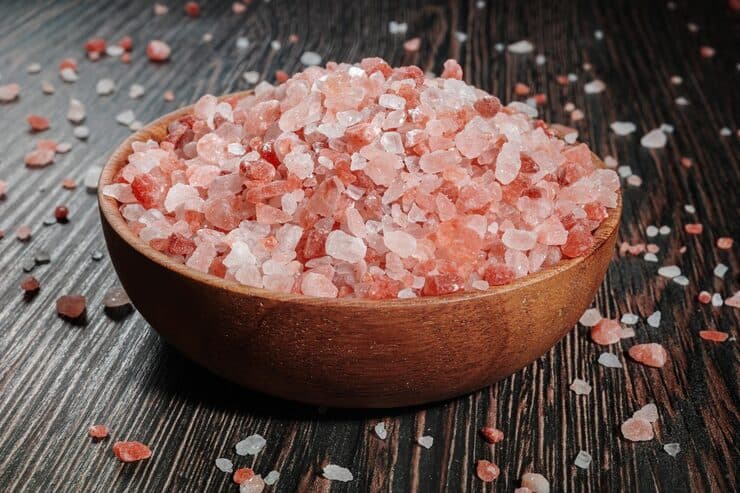 Coarse vs Fine Himalayan Pink Salt
Coarse vs fine Himalayan pink salt explained, texture, cooking uses, grinders, rock salt crystals, and how to choose the right grind.