
Salt Types
Coarse vs Fine Himalayan Pink Salt
Coarse vs fine Himalayan pink salt explained, texture, cooking uses, grinders, rock salt crystals, and how to choose the right grind.
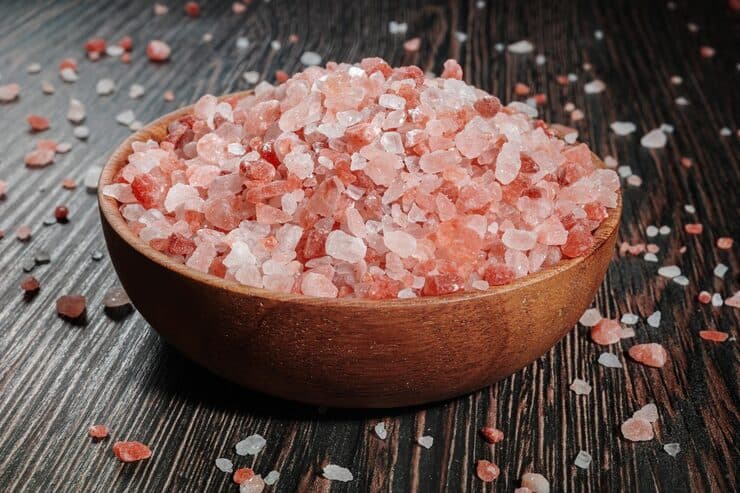
Coarse and fine Himalayan pink salt are the same material, sodium chloride with trace minerals and iron oxide that gives the pink color, processed to different crystal sizes. The grind you buy should match how you season food, not marketing claims about mineral content.
Quick comparison
| Type | Crystal size | Best uses | Equipment |
|---|---|---|---|
| Fine | Small, uniform | Baking, sauces, soup, everyday shaker | Shaker or pinch bowl |
| Medium | Pea-sized mix | General cooking, rubs | Shaker or grinder |
| Coarse | Large grains | Finishing, brines, mills | Salt grinder |
| Rock | Large chunks | Dedicated grinders, blocks | Heavy-duty mill |
Fine Himalayan pink salt
Fine crystals dissolve quickly and distribute evenly. That makes them the default for:
- Pasta and potato water
- Soups, stews, and braises
- Baked goods where even salinity matters
- Homemade seasoning blends
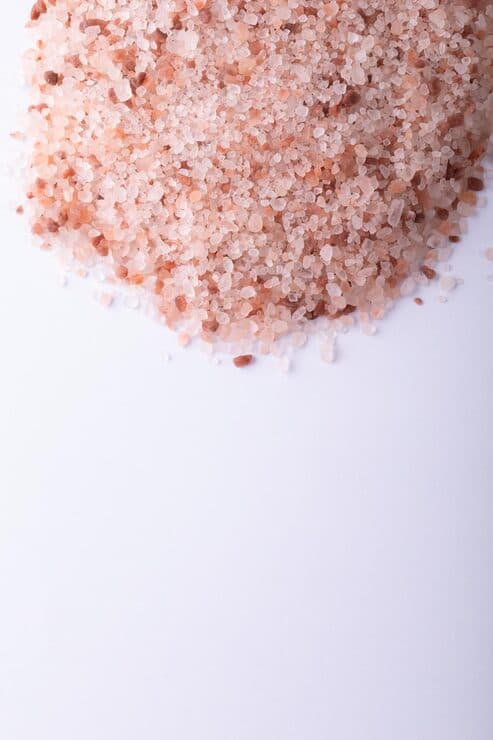
Fine salt feels sharper on the tongue when tasted dry because more surface area hits your palate at once. When dissolved, salinity aligns closely with table salt by weight.
Coarse Himalayan pink salt
Coarse crystals take longer to dissolve. They work well when you want:
- A visible crunch on roasted vegetables or grilled meat
- Slow release of salinity in long cooks
- Dry rubs that cling to meat without melting immediately
- Control at the table via a grinder
Because coarse grains pack loosely in a spoon, a tablespoon of coarse salt often contains less sodium than a tablespoon of fine salt. Weigh salt for precision in baking and brining.
Rock salt and crystals
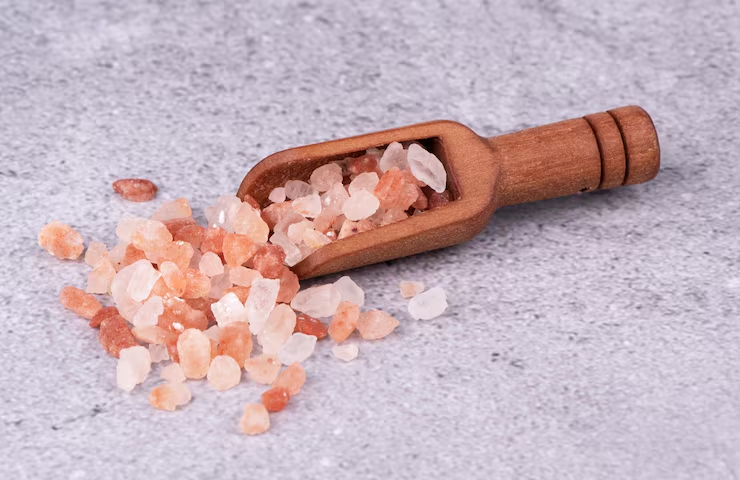
Large Himalayan pink salt rock pieces are sold for grinders and decorative cellars. They are not meant to be tossed whole into a pot. Grind immediately before use for the freshest texture.
Some products labeled "crystals" are simply coarse salt with branding variation. Check particle size in reviews or product photos if a recipe depends on dissolve rate.
Grinders and mills
Salt grinders should use ceramic or corrosion-resistant mechanisms. Metal grinders can degrade over time with salt exposure. Adjust the coarseness setting based on whether you are finishing a plate or seasoning during cooking.
If you only own a pepper mill, do not permanently convert it to salt, residual pepper flavor and corrosion are common problems. A dedicated mill is worth the small cost.
Cooking scenarios
Use fine salt: caramel sauces, custards, bread dough, salad dressings.
Use coarse salt: steak finish, avocado toast, salted chocolate cookies with visible flakes.
Use either (dissolved): pickle brines, dissolve coarse salt fully in warm water before adding vegetables.
For broader technique, see how to use Himalayan pink salt.
Storage by grain size
Fine salt clumps more easily in humid climates because smaller particles have more surface area for moisture. Coarse salt flows better but still needs a sealed container. Add a few grains of dry rice to a shaker in very humid kitchens only if the shaker design allows it and you clean regularly.
Choosing what to buy
Start with fine or medium if you are stocking one bag for daily cooking. Add coarse when you want finishing texture or a dedicated grinder at the table.
If you are exploring specialty forms beyond grains, read about Himalayan salt blocks and slabs for a different category altogether.
Frequently Asked Questions
- What is coarse Himalayan pink salt used for?
- Coarse crystals are used in grinders, dry rubs, brines, and as a finishing salt where you want crunch and slow dissolution.
- What is the difference between rock salt and coarse Himalayan salt?
- Rock salt usually refers to large chunks for grinding or display. Coarse culinary salt is crushed to a smaller, consistent size suitable for cooking and mills.
- Can you use coarse salt in baking?
- Only if you dissolve it first or use recipes designed for coarse salt. Fine salt is better for even distribution in dough and batter.
- Do you need a grinder for Himalayan pink salt?
- Coarse and rock forms need a grinder. Fine salt is ready to use from the package.
- Which grain size is best for everyday cooking?
- Fine or medium grind is the most versatile for daily seasoning. Keep coarse salt for finishing and specialized recipes.
Related Reading
 How to Use Himalayan Pink Salt
Learn how to use Himalayan pink salt in cooking, choosing grain size, seasoning amounts, grinding, storage, and common mistakes to avoid.
 Himalayan Pink Salt Recipes
Simple Himalayan pink salt recipes, seasoned popcorn, honey salt blend, solé brine basics, and everyday ways to use pink salt in cooking.
 What Is Himalayan Pink Salt?
What Himalayan pink salt is, composition, origin, color, culinary uses, and how it differs from table salt and sea salt.