
Guide
What Is Himalayan Pink Salt?
What Himalayan pink salt is, composition, origin, color, culinary uses, and how it differs from table salt and sea salt.
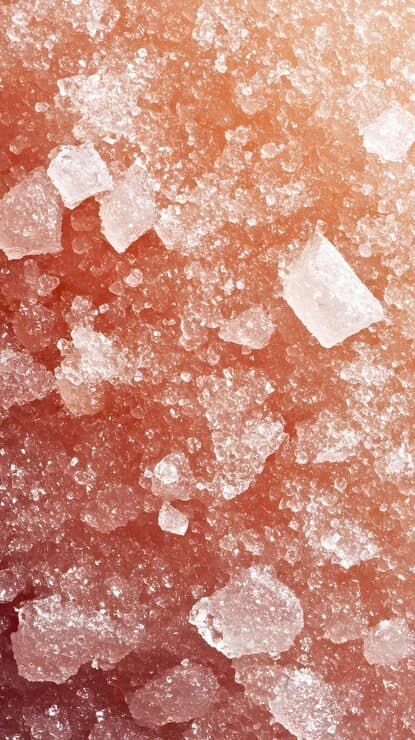
Himalayan pink salt is a rock salt mined from ancient deposits in Pakistan, sold as pink crystals for cooking and as carved products like lamps and blocks. It is chemically similar to other unrefined salts, mostly sodium chloride, with trace minerals that create its color and a mild reputation for "natural" eating.
Composition at a glance
| Component | Approximate role |
|---|---|
| Sodium chloride | 97–99% of the crystal; provides salinity |
| Iron oxide | Pink to red color |
| Other trace minerals | Calcium, magnesium, potassium in small amounts |
Those trace minerals are real but present in tiny quantities. A normal diet from whole foods supplies far more minerals than seasoning salt alone.
Where it comes from
The salt formed when ancient seas evaporated and the resulting beds were buried and uplifted over geologic time. Today it is extracted primarily from the Khewra Salt Mine in Punjab, Pakistan. Read the full story in where Himalayan pink salt comes from and how it is mined.
Why it looks pink
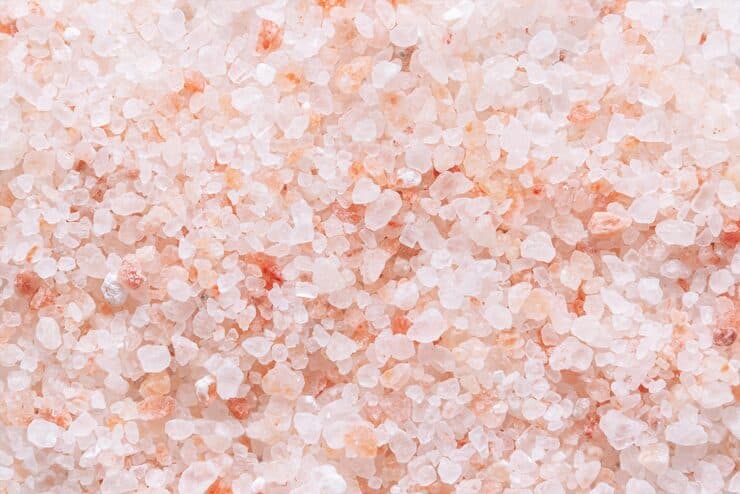
Color comes from iron-bearing minerals trapped in the halite crystal structure. Some bags are uniformly pink; others mix white and red crystals. Color intensity does not indicate superior flavor or nutrition.
Culinary role
In the kitchen, Himalayan pink salt functions as a seasoning:
- Dissolved in soups, sauces, and pasta water
- Sprinkled on finishes for crunch (coarse grades)
- Ground at the table from rock crystals
Practical guidance lives in how to use Himalayan pink salt. Grain choice matters, see coarse vs fine.
Compared to other salts
Table salt: Fine, often iodized, with additives for flow. Better iodine source if needed.
Sea salt: Evaporated from modern seawater; flaky or crystalline textures vary widely.
Himalayan pink salt: Mined rock salt with distinctive color; usually not iodized.
Full comparison: Himalayan pink salt vs sea salt.
Specialty forms
Beyond the shaker:
- Blocks and slabs for cooking and serving
- Lamps for decorative lighting
- Bath salts for soaking rituals
Each uses the same geological material in different shapes. Blocks and lamps are not interchangeable, see salt blocks guide and lamp guide.
Health claims: what to believe
Pink salt is often marketed as healthier than white salt. Evidence does not support dramatic health advantages for typical use. Sodium intake still matters for blood pressure and cardiovascular risk in sensitive populations. It is not a detox agent, weight-loss tool, or mineral supplement.
Responsible use means normal seasoning amounts within your dietary needs, not large doses in water or "trick" drinks promoted online.
Iodine note
Most Himalayan pink salt lacks added iodine. If your diet depends on iodized salt for iodine intake, rely on other foods or iodized products. This will be covered in more depth in future nutrition articles.
How to buy wisely
Look for:
- Clear country of origin (Pakistan)
- Food-grade labeling for culinary use
- Appropriate grain size for your cooking style
Avoid assuming that higher price or deeper color means better nutrition.
Bottom line
Himalayan pink salt is a visually distinctive, minimally processed rock salt with a long geological history and straightforward culinary uses. Understand what it is, seasoned sodium chloride from Pakistan, and you can use it confidently without overestimating miracle benefits.
Frequently Asked Questions
- What is Himalayan pink salt made of?
- It is primarily sodium chloride (salt), with small amounts of trace minerals such as iron, calcium, and potassium. Iron oxide gives it the pink color.
- Is Himalayan pink salt natural?
- Yes. It is mined from ancient underground deposits in Pakistan and minimally processed into culinary crystals or specialty products.
- What is Himalayan pink salt good for?
- It is used to season food, finish dishes with texture, fill grinders, and make specialty items like blocks and lamps. It is not a meaningful source of daily minerals or iodine unless fortified.
- Is pink Himalayan salt the same as regular salt?
- Chemically they are both mostly sodium chloride. Table salt is usually finer, often iodized, and may include anti-caking agents. Pink salt is rock salt with natural color and no standard iodine addition.
- Can you eat Himalayan pink salt every day?
- You can use it as everyday seasoning within general dietary sodium guidelines. People limiting sodium for health reasons should follow medical advice regardless of salt color.
- Why is it called Himalayan if it comes from Pakistan?
- The deposit lies in the Salt Range near the Himalayas. The marketing name references the broader region, not a specific mountain summit.
Related Reading
 Where Does Himalayan Pink Salt Come From?
Where Himalayan pink salt comes from, the Salt Range in Pakistan, ancient sea deposits, why it is pink, and how it differs from sea salt.
 How to Use Himalayan Pink Salt
Learn how to use Himalayan pink salt in cooking, choosing grain size, seasoning amounts, grinding, storage, and common mistakes to avoid.
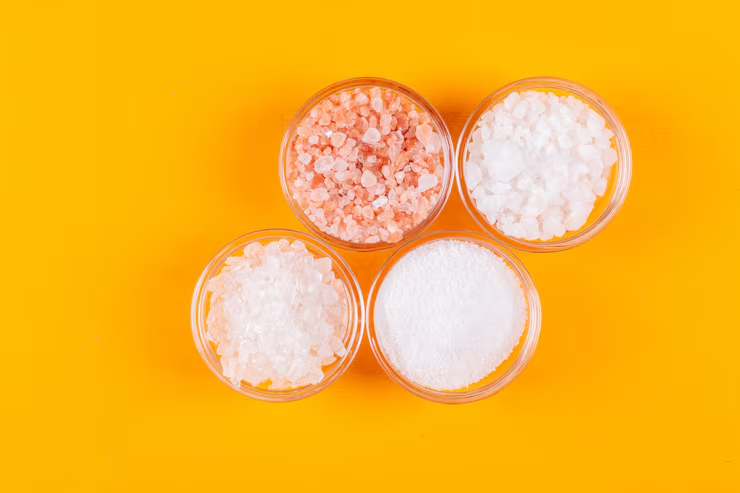 Himalayan Pink Salt vs Sea Salt
Compare Himalayan pink salt and sea salt, source, processing, taste, minerals, iodine, and which to use for cooking.