
How-To
How to Use Himalayan Pink Salt
Learn how to use Himalayan pink salt in cooking, choosing grain size, seasoning amounts, grinding, storage, and common mistakes to avoid.
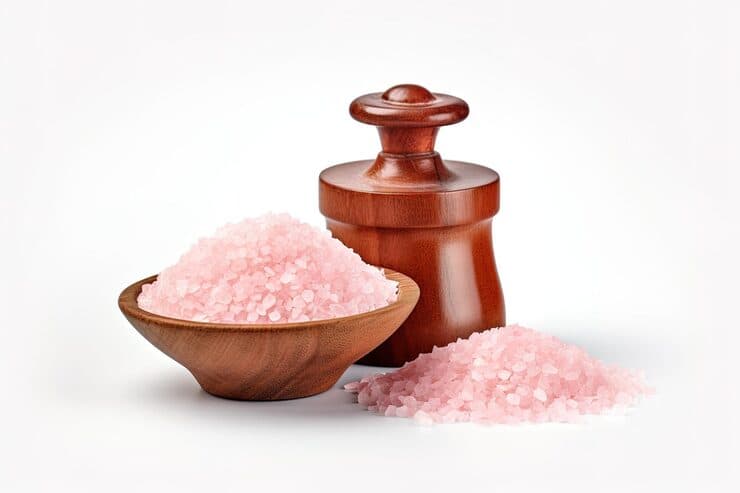
Himalayan pink salt works like any culinary salt: it seasons food, balances flavor, and preserves texture when used at the right stage of cooking. The main practical differences are grain size, moisture content, and whether the salt is iodized. This guide covers everyday kitchen use from choosing a grind to storing your salt properly.
If you are new to this salt, start with our overview of what Himalayan pink salt is and how it compares to sea salt and other types.
Choosing a grain size
Himalayan pink salt is sold as fine crystals, coarse crystals, and large rocks for grinders. The size you pick should match how you cook.
| Grain size | Best for | Notes |
|---|---|---|
| Fine | Baking, sauces, finishing | Dissolves quickly; easy to measure |
| Medium | General cooking, rubs | Versatile everyday choice |
| Coarse | Grinders, brining, crunch | Slower to dissolve; adds texture when finishing |
| Rock | Salt mills, display grinders | Must be ground before fine applications |
Our coarse vs fine guide goes deeper on texture and equipment.
Cooking applications
During cooking: Add fine or medium salt when building flavor in soups, stews, pasta water, and vegetables. Dissolving salt in cooking water helps it distribute evenly.
Finishing: Coarse crystals sprinkled on roasted vegetables, steaks, or avocado toast add a light crunch and burst of salinity.
Baking: Fine salt blends into dough and batter without gritty pockets. Measure by weight for consistent results in bread and pastry.
Brining and curing: Coarse salt is common for wet brines and dry rubs because it draws moisture at a predictable rate. Follow tested recipes for ratios.
How much to use
Salt perception depends on crystal size, food moisture, and personal taste. A pinch of coarse salt often contains less dissolved sodium than the same pinch of fine table salt because the crystals are larger and pack differently in a spoon.
Practical approach:
- Season lightly, taste, and adjust.
- For baking, follow the recipe unless you are deliberately reducing sodium.
- When swapping table salt for pink salt by volume, start with slightly less if using fine grind.
Grinding at the table
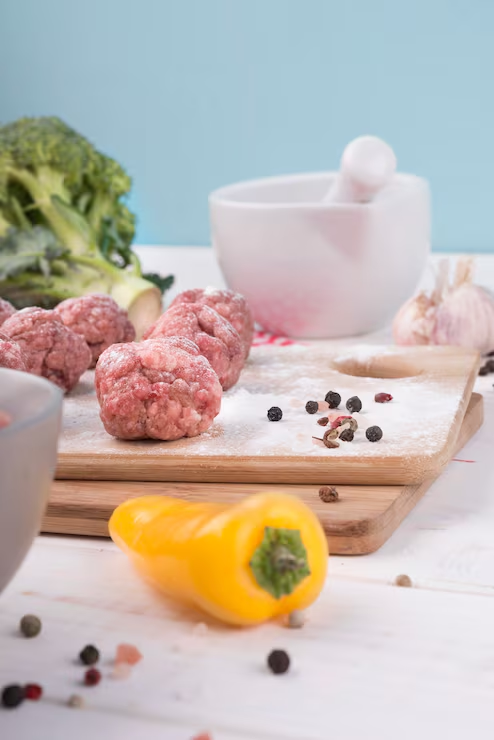
A dedicated salt mill handles coarse Himalayan crystals well. Look for a grinder that is easy to adjust and clean. Avoid using a pepper mill for salt long-term, salt can corrode some metal parts. Grind directly onto hot food so crystals dissolve slightly on contact.
Common mistakes
- Salting too early on wet ingredients: Cucumbers and mushrooms can release water if salted far ahead. Salt closer to serving when texture matters.
- Using coarse salt in smooth sauces: Undissolved crystals feel gritty. Use fine salt or dissolve coarse salt in a little warm liquid first.
- Storing near the stove: Heat and steam invite clumping. Keep salt in a cupboard or dry pantry.
- Assuming pink color means more minerals: Color comes mainly from iron oxide traces. Mineral content is still dominated by sodium chloride.
Storage
Keep Himalayan pink salt in an airtight container away from humidity. A ceramic cellar or glass jar with a tight lid works well. If salt clumps, spread it on a tray to dry or break lumps with a spoon. Salt itself does not go bad; moisture management is the only real concern.
When to choose something else
Iodized table salt remains a practical choice if you rely on iodine from salt for dietary needs. Himalayan pink salt is not a reliable iodine source unless iodine is added and labeled. For most seasoning tasks, though, pink salt is interchangeable with other unrefined salts.
For recipe ideas, see our Himalayan pink salt recipes collection starting with simple popcorn and seasoning blends.
Frequently Asked Questions
- Can you use Himalayan pink salt for everyday cooking?
- Yes. Fine or medium-grind Himalayan pink salt works well for seasoning during cooking and at the table. It tastes similar to other unrefined salts, with a mild mineral note some people notice.
- How much Himalayan pink salt should I use?
- Use the same amount you would for table salt unless your recipe specifies otherwise. Taste as you go, since crystal size affects how quickly salt dissolves and how salty a pinch feels.
- Does Himalayan pink salt expire?
- Pure salt does not spoil. It can absorb moisture and clump over time, especially in humid kitchens. Keep it in a dry, sealed container.
- Is Himalayan pink salt kosher?
- Himalayan pink salt can be kosher if produced and certified under kosher supervision. Many brands sell kosher-certified pink salt. Check the label if certification matters for your diet.
- Do you need a special grinder for Himalayan pink salt?
- Coarse crystals need a grinder with a ceramic or strong metal mechanism. Fine salt does not require grinding. See our guide on coarse vs fine grain sizes for details.
- Can you substitute Himalayan pink salt for table salt?
- Yes, in most recipes. Table salt is finer and often contains added iodine. Substitute by weight for precision, or use a slightly smaller volume of fine Himalayan salt if measuring by spoon.
Related Reading
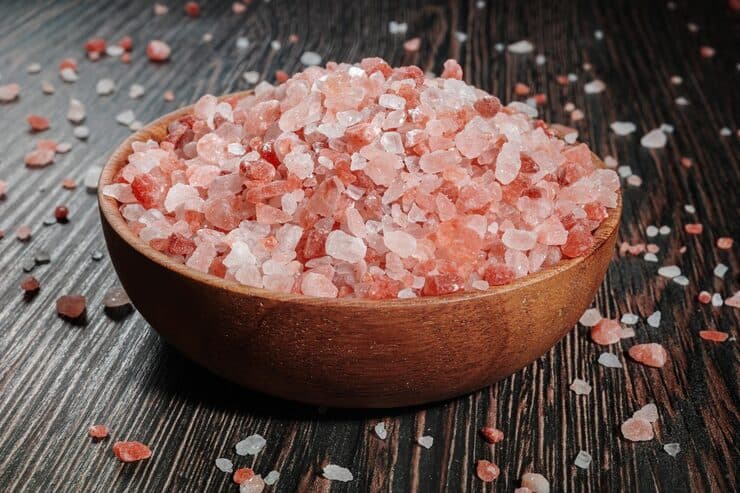 Coarse vs Fine Himalayan Pink Salt
Coarse vs fine Himalayan pink salt explained, texture, cooking uses, grinders, rock salt crystals, and how to choose the right grind.
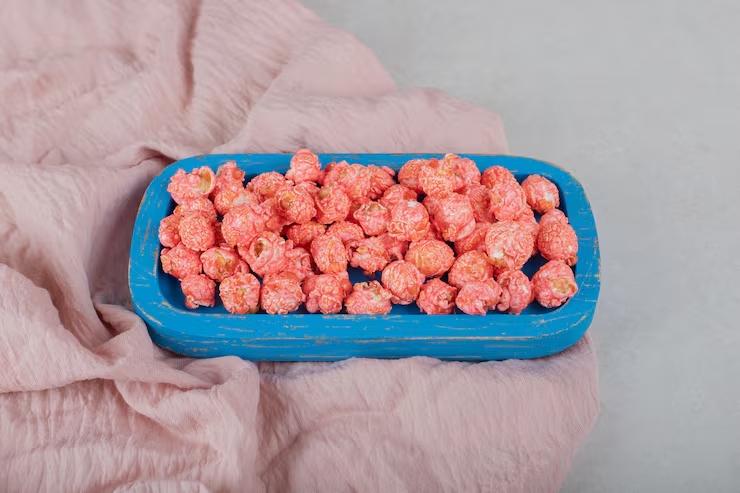 Himalayan Pink Salt Recipes
Simple Himalayan pink salt recipes, seasoned popcorn, honey salt blend, solé brine basics, and everyday ways to use pink salt in cooking.
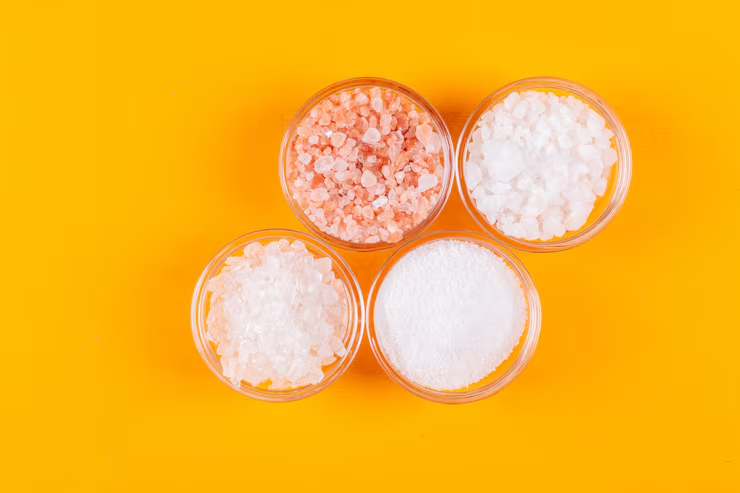 Himalayan Pink Salt vs Sea Salt
Compare Himalayan pink salt and sea salt, source, processing, taste, minerals, iodine, and which to use for cooking.