
Comparison
Himalayan Pink Salt vs Sea Salt
Compare Himalayan pink salt and sea salt, source, processing, taste, minerals, iodine, and which to use for cooking.
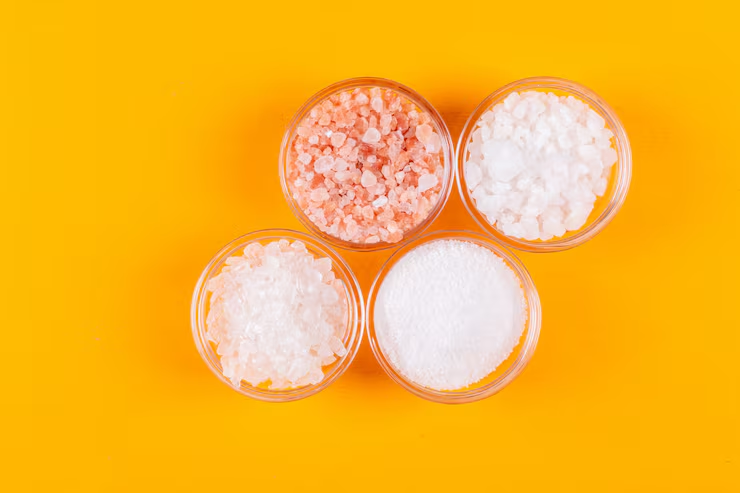
Himalayan pink salt and sea salt are both minimally processed salts used for cooking and finishing. The real differences are where they come from, how they are harvested, typical crystal shape, and small variations in moisture and trace minerals, not a dramatic gap in flavor or nutrition.
This comparison also covers Celtic sea salt vs Himalayan pink salt, since many shoppers weigh those two side by side.
Source and processing
| Feature | Himalayan pink salt | Sea salt | Celtic sea salt |
|---|---|---|---|
| Origin | Ancient underground rock salt deposits (Pakistan) | Evaporated seawater | Coastal evaporation ponds (often Brittany, France) |
| Color | Pink to red (iron oxide) | White, gray, or flecked | Moist gray |
| Typical moisture | Low, dry crystals | Low to moderate | Often damp |
| Processing | Mined, crushed, sieved | Solar evaporation, sometimes refined | Hand-harvested, minimal washing |
Himalayan pink salt is a rock salt, not evaporated seawater. Learn more about its geology in where Himalayan pink salt comes from.
Taste and texture
By weight, all culinary salts are primarily sodium chloride, so perceived saltiness is similar once dissolved. What changes is mouthfeel:
- Fine Himalayan or sea salt: Quick, even seasoning in sauces and baking.
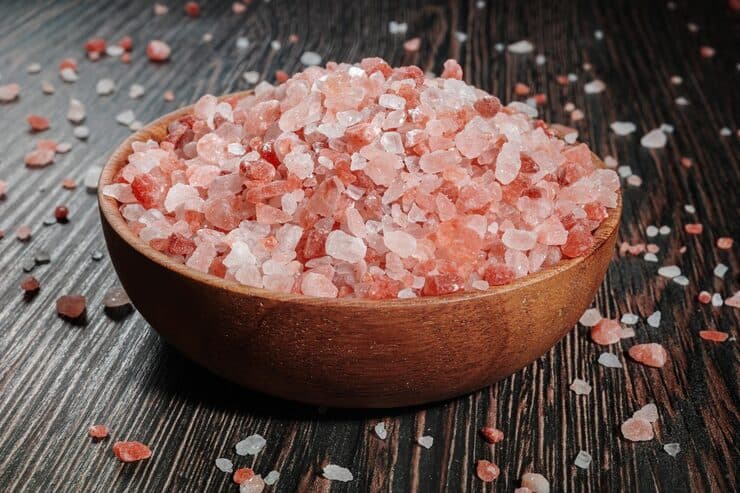
- Coarse Himalayan: Harder crystals, slow dissolve, good crunch on finishes.
- Flaky sea salt: Light, flat crystals that crack on the tongue.
- Celtic sea salt: Moist, sometimes mineral-forward flavor from magnesium and other trace compounds.
Neither salt is universally "better tasting." Preference and recipe texture matter more.
Minerals and nutrition
Marketing often highlights trace minerals in pink salt. Laboratory analyses show small amounts of calcium, potassium, magnesium, and iron, but you would need impractically large amounts of salt to meet daily mineral needs from those traces alone.
Sea salts, including Celtic varieties, also contain trace minerals depending on water source and processing. The practical takeaway: use salt for flavor and sodium regulation in recipes, not as a mineral supplement.
For iodine specifically, choose iodized table salt if dietary iodine is a concern. See our notes on electrolytes and water in pink Himalayan salt in water.
Iodine considerations
Standard table salt in many countries includes added iodine to help prevent deficiency. Most Himalayan and unrefined sea salts do not contain meaningful iodine unless labeled as iodized. If you cook only with pink or sea salt, ensure iodine comes from other foods (dairy, fish, eggs) or discuss supplementation with a healthcare provider.
Cooking uses
Choose Himalayan pink salt when:
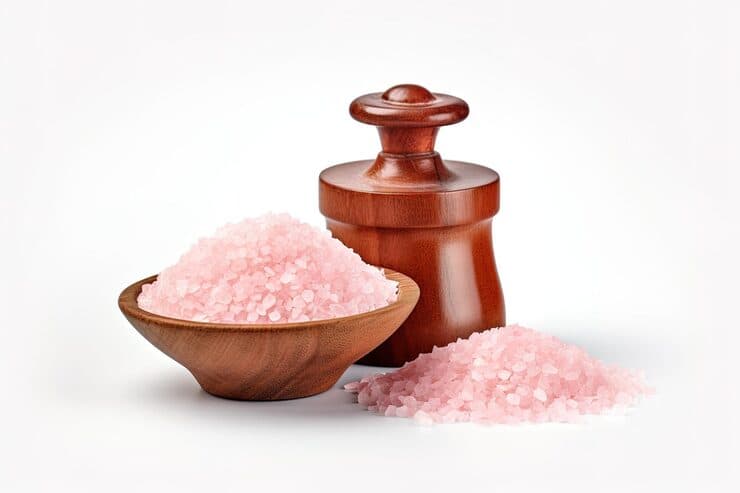
- You want dry, predictable crystals for grinders and rubs
- You prefer the visual pink flecks on finishes
- You are following recipes written for rock salt
Choose sea salt when:
- You want flaky finishing salt with a delicate crunch
- You prefer moist Celtic salt in artisan baking or fermenting
- Recipes call specifically for sea salt texture
Choose iodized table salt when:
- Iodine intake from salt is part of your diet plan
- You need the finest, most uniform crystal for precise baking
For everyday technique, read how to use Himalayan pink salt.
Kosher salt and table salt
Kosher salt (often flat flakes) is valued for its clean flavor and ease of pinching. Himalayan pink salt can be certified kosher, but crystal shape varies by brand. Table salt is finest and often includes anti-caking agents and iodine.
| Salt type | Typical use |
|---|---|
| Kosher | Meat prep, general seasoning by pinch |
| Table | Baking, iodine-fortified diets |
| Himalayan pink | All-purpose, grinders, visual finish |
| Sea / Celtic | Finishing, fermenting, regional recipes |
Price and sustainability
Price depends on brand, grain size, and packaging, not inherent quality. Both Himalayan and artisan sea salts cost more than basic iodized salt because of mining or harvesting labor and marketing positioning.
Environmental impact varies by operation. Responsible sourcing labels and supplier transparency matter more than salt color.
Practical takeaway
Himalayan pink salt and sea salt are interchangeable for most home cooking if you match grain size and taste as you go. Pick iodized table salt when iodine matters. Pick flaky sea salt or coarse pink salt when texture at the finish line is the goal.
Neither option replaces a balanced diet or medical guidance about sodium intake.
Frequently Asked Questions
- Is Himalayan pink salt healthier than sea salt?
- Both are mostly sodium chloride. Trace mineral differences are small and do not significantly change nutrition for typical use. Dietary sodium intake matters more than which unrefined salt you choose.
- Does sea salt have more iodine than Himalayan pink salt?
- Neither is a dependable iodine source unless iodine is added. Iodized table salt is formulated specifically for iodine intake.
- Which tastes saltier, pink salt or sea salt?
- Salinity is similar by weight. Crystal size and moisture affect how salty a pinch feels. Fine grains taste more immediate; coarse grains taste milder until they dissolve.
- Can you substitute sea salt for Himalayan pink salt?
- Yes, in nearly all cooking. Match grain size when possible and adjust by taste.
- Is Celtic sea salt the same as regular sea salt?
- Celtic sea salt is a moist, gray sea salt harvested in specific regions, often with higher residual moisture and minerals. It behaves differently in texture than dry Himalayan crystals.
- Which is better for finishing dishes?
- Both work. Flaky sea salt (like Maldon-style flakes) gives a distinct crunch. Coarse Himalayan crystals offer a harder crunch and pink specks for visual contrast.
Related Reading
 What Is Himalayan Pink Salt?
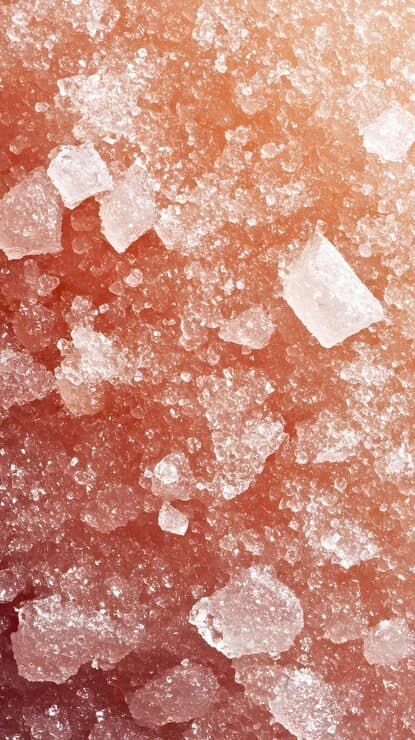
What Himalayan pink salt is, composition, origin, color, culinary uses, and how it differs from table salt and sea salt.
 Coarse vs Fine Himalayan Pink Salt
Coarse vs fine Himalayan pink salt explained, texture, cooking uses, grinders, rock salt crystals, and how to choose the right grind.
 How to Use Himalayan Pink Salt
Learn how to use Himalayan pink salt in cooking, choosing grain size, seasoning amounts, grinding, storage, and common mistakes to avoid.