
Health & Safety
Himalayan Pink Salt Bath Guide
How to use Himalayan pink salt in baths and foot soaks: preparation, amounts, skin safety, and what evidence does and does not support.
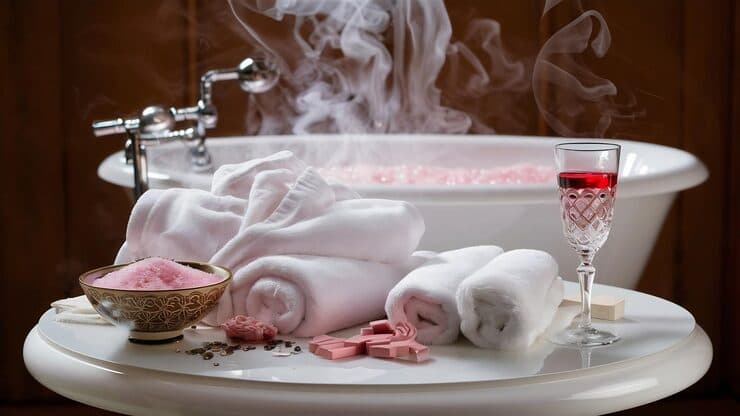
Direct answer: A Himalayan pink salt bath is a warm soak with dissolved food- or bath-grade pink rock salt. People use it for relaxation and skin comfort. Warm water and rest explain most of the pleasant effects; pink salt is not an established medical treatment for detox, disease, or meaningful mineral supplementation through skin.
What is a Himalayan pink salt bath?
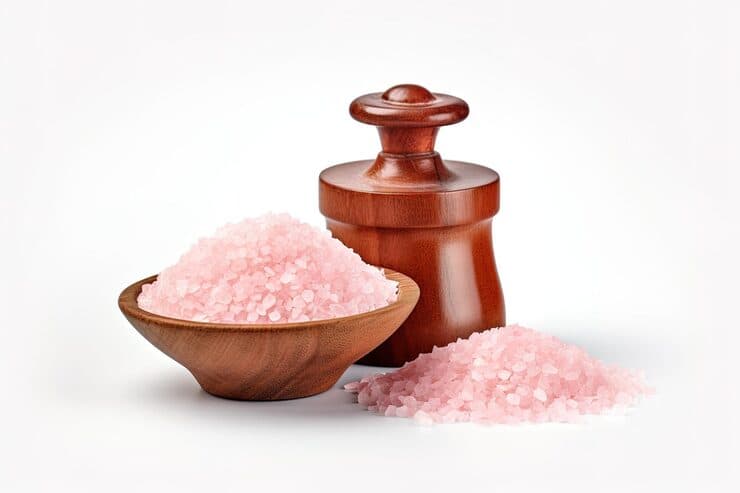
It is the same basic idea as other salt baths: crystals dissolve in warm water. Himalayan pink salt is rock salt mined in Pakistan, mostly sodium chloride, with trace minerals that give color. Bath products may be plain salt or blends with fragrance.
Common search phrases (bath salt, pink bath salts, salt soak, foot soak) all describe this one use case. You do not need separate pages for each wording.
How to make a Himalayan pink salt bath
- Clean the tub so you are not soaking in soap residue.
- Fill with warm water (often around 100°F / 38°C; avoid scalding heat).
- Add salt while water runs to help dissolving.
- Stir until crystals are gone. Undissolved grains can feel rough on skin.
- Soak about 15–20 minutes unless your clinician advises otherwise.
- Stand up slowly; hot baths can cause dizziness.
- Rinse if you like, pat dry, moisturize if skin feels tight.
How much salt should you use?
| Setting | Typical home range | Notes |
|---|---|---|
| Full bathtub | About 1/2 to 2 cups salt | Start low on sensitive skin |
| Foot soak basin | About 2 tbsp to 1/4 cup | Less water needs less salt |
| Shower (salt scrub) | Pinch mixed into cleanser | Not the same as dissolving a cup in a tub |
These are practical home ranges, not prescription doses. Product labels may differ. If a package gives instructions, follow the label for that product.
Foot soak vs full bath
| Use | Typical purpose | Practical considerations |
|---|---|---|
| Foot soak | Tired feet, short relaxation | Easier for people who avoid full hot baths |
| Full bath | Whole-body warmth and unwind | More heat exposure; slip risk when standing |
| Salt scrub in shower | Exfoliation feel | Avoid broken skin; rinse well |
What people use it for vs what evidence supports
| Common use or claim | Evidence |
|---|---|
| Relaxation, unwinding | Warm water and quiet time help many people feel better |
| Muscle soreness after exercise | Heat and rest matter; salt type is secondary |
| Skin feels smooth after drying | Mostly mechanical; not proven mineral therapy |
| Detoxification | Not established for pink salt baths |
| Replacing electrolytes through skin | Not supported for normal bathing |
| Treating eczema, infections, or disease | Not established; ask a clinician |
For drinking salt water and hydration myths, see Himalayan pink salt and electrolytes. That is a different topic from bathing.
Does Himalayan salt benefit skin?
Some people enjoy how skin feels after a salt bath. Others find salt drying or irritating, especially with eczema, psoriasis, or open cuts. Mineral absorption through intact skin in amounts that matter nutritionally is not well supported for typical soak times.
If you have a skin condition, ask a dermatologist before regular salt soaks.
Bath safety
| Risk | What to do |
|---|---|
| Slipping | Use a mat; wipe spilled salt water from the floor |
| Overheating | Limit time; hydrate; exit if dizzy |
| Dry or irritated skin | Use less salt; shorten soaks; moisturize after |
| Open wounds | Avoid or ask a clinician |
| Pregnancy | Ask your provider about bath temperature and duration |
This page is general information, not medical advice. See our disclaimer.
Pink salt vs Epsom salt
Epsom salt is magnesium sulfate. Himalayan bath salt is sodium chloride with traces. Blended bath products exist; read the ingredient list.
After the bath
Drink water if the bath was hot. Clean the tub to reduce salt residue buildup over time.
Related guides
- How to use Himalayan pink salt (kitchen and other uses)
- Composition (what is in the crystals)
Frequently Asked Questions
- How much Himalayan pink salt should I put in a bath?
- Home guides often suggest about 1/2 to 2 cups of bath-grade salt per full tub of warm water, dissolved before soaking. Start with less if you have sensitive skin. There is no single medically standardized dose for wellness baths.
- What are Himalayan salt bath benefits?
- Warm soaking can feel relaxing and may ease muscle tension for some people. Claims about detoxification, major mineral absorption through skin, or disease treatment are not well supported by science.
- Can I use pink Himalayan salt for a foot soak?
- Yes. Use a basin of warm water with a smaller amount of dissolved salt, often a few tablespoons to 1/4 cup depending on water volume. Same skin cautions apply as for full baths.
- Should you rinse after a Himalayan salt bath?
- Many people rinse briefly with fresh water and moisturize afterward, especially if skin feels tight or dry.
- Is Himalayan bath salt the same as Epsom salt?
- No. Himalayan bath salt is mainly sodium chloride. Epsom salt is magnesium sulfate. They are different products with different chemistry.
Related Reading
 Himalayan Pink Salt Electrolytes & Water
Electrolytes, hydration, and Himalayan pink salt in water: what sodium does, solé water, how much to use, and what is not proven.
 How to Use Himalayan Pink Salt
Learn how to use Himalayan pink salt in cooking, choosing grain size, seasoning amounts, grinding, storage, and common mistakes to avoid.
- Himalayan Pink Salt Composition & Minerals
What is in Himalayan pink salt: sodium chloride, trace minerals, electrolytes, and why '84 minerals' marketing is misleading.