
Health & Safety
Himalayan Pink Salt Electrolytes & Water
Electrolytes, hydration, and Himalayan pink salt in water: what sodium does, solé water, how much to use, and what is not proven.
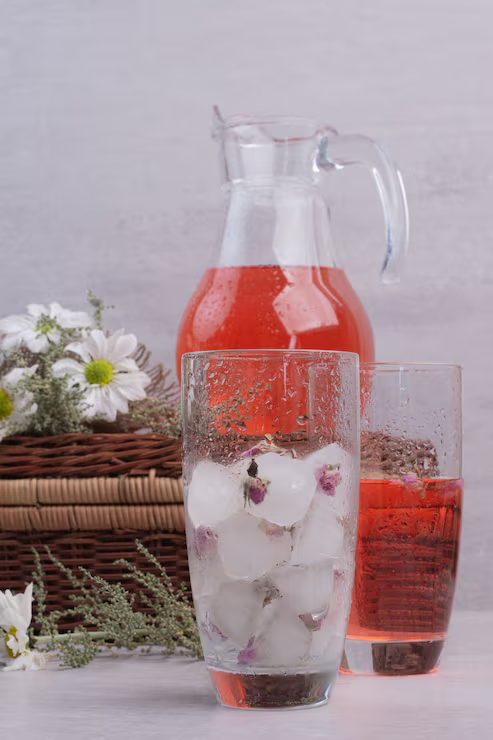
Direct answer: Himalayan pink salt in water adds sodium and chloride (electrolytes) plus tiny amounts of other minerals. For most healthy people, plain water and food are enough for hydration. Salted drinks are not a proven substitute for oral rehydration solutions or medically supervised electrolyte replacement.
What electrolytes are in Himalayan pink salt?
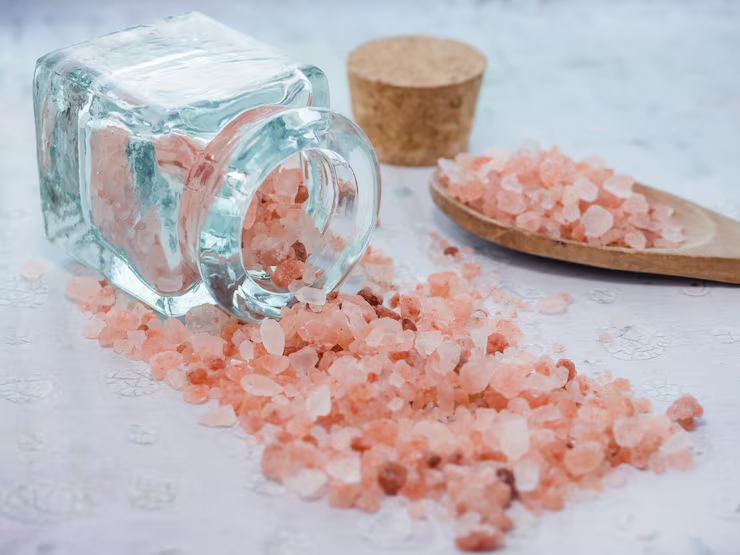
The meaningful electrolytes in culinary salt are sodium and chloride. Pink salt is roughly 97–99% sodium chloride. Calcium, potassium, and magnesium appear only in trace amounts per typical serving.
| Question | Short answer |
|---|---|
| Does pink salt have electrolytes? | Yes: mainly sodium and chloride |
| Are trace minerals significant in a pinch? | Usually no, compared with food |
| Is it a balanced sports drink? | No, not without added potassium and formulation |
See composition for minerals without repeating the "84 minerals" marketing claim as fact. Detectable elements in lab tests are not the same as nutritionally meaningful doses.
Himalayan pink salt in water
Dissolving salt in drinking water is a popular wellness habit. The chemistry is simple: ions disperse in the liquid. The health question is whether extra sodium helps you, which depends on diet, activity, and medical conditions.
Normal hydration
- Water from drinks and food supports daily hydration.
- Meals provide most electrolytes for sedentary to moderately active adults.
- Adding salt "for hydration" without a specific reason can raise sodium intake.
When electrolytes matter more
- Prolonged heavy sweating in heat or endurance sport
- Vomiting or diarrhea (risk of dehydration; seek medical care when severe)
- Conditions managed with sodium restrictions (heart failure, kidney disease, hypertension)
Commercial electrolyte products and oral rehydration solutions are formulated for specific situations. Himalayan pink salt water is not an approved replacement for those products.
How much salt to add to water?
There is no single correct amount for all adults. Influencers often suggest a pinch per glass or liter. That may be acceptable for some healthy people as taste, but it is not a medical prescription.
| Situation | Guidance |
|---|---|
| General wellness trend | Not required for hydration; watch total daily sodium |
| Flavor only | Start with a very small amount; adjust to taste |
| Medical or athletic need | Use plans from a clinician or sports dietitian |
| Children | Lower sodium limits; avoid unsupervised high-salt drinks |
U.S. dietary guidance focuses on limiting excess sodium for cardiovascular health. If your doctor set a sodium cap, salted water counts toward it.
Solé (sole) water
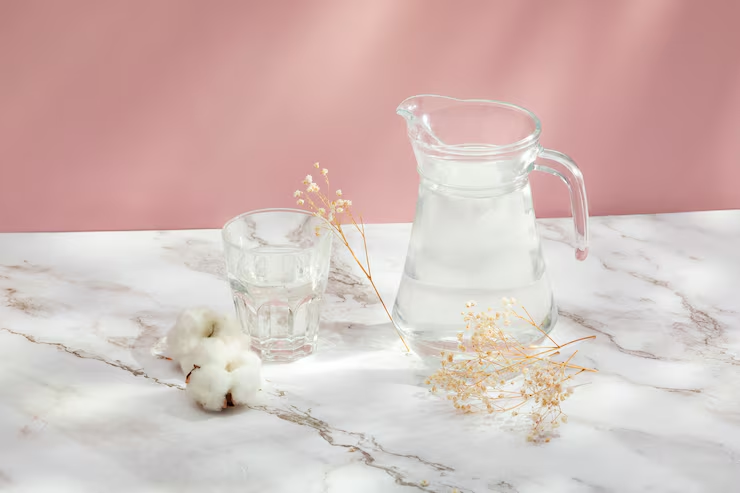
Solé is made by placing salt in water until the solution saturates, then mixing a small amount of that brine into a full glass. Advocates describe it as a mineral tonic. Scientifically it remains a high-sodium chloride drink with traces.
- Not established for detoxification
- Not established as superior to a balanced diet
- Not a weight-loss treatment
Lemon, apple cider vinegar, and "morning drinks"
Adding lemon or vinegar changes flavor, not the core fact that salt adds sodium. Warm liquids can feel soothing after sleep. That does not prove pink salt has unique metabolic effects.
Weight loss drink queries
Himalayan pink salt has not been shown to cause fat loss. Addressing those searches honestly means saying: no miracle drink; sustainable weight change involves food, activity, and medical care when needed.
Salt water vs salt baths
Drinking salted water affects intake and blood sodium. Bathing affects comfort on skin with minimal mineral absorption. Read Himalayan pink salt bath for soaking guidance.
Safer hydration habits
- Drink water regularly.
- Eat fruits and vegetables for potassium and fluid.
- Use formulated electrolytes when a clinician or sports plan recommends them.
- Read nutrition facts context for sodium and iodine.
This article is not medical advice. See disclaimer.
Frequently Asked Questions
- Does Himalayan pink salt have electrolytes?
- It provides sodium and chloride, which are electrolytes, plus trace minerals in very small amounts. A normal diet usually supplies electrolytes without adding salt to drinking water.
- How much pink Himalayan salt should I add to water?
- There is no universal safe amount for everyone. A small pinch per liter is sometimes used for taste in home recipes, not as medical guidance. People limiting sodium should follow clinician advice.
- Is pink Himalayan salt good for hydration?
- Plain water hydrates most healthy people. Added salt increases sodium intake. Heavy sweating, illness, or medical conditions may need tailored electrolyte plans from a professional, not DIY salt water alone.
- What is solé (sole) water?
- A saturated salt solution made by dissolving Himalayan salt in water until no more dissolves, then diluting a small amount into a glass. It is a traditional preparation, not an evidence-based medical treatment.
- Can Himalayan salt water help with weight loss?
- No reliable evidence shows salted water causes fat loss. Any short-term scale changes may reflect water retention, not loss of body fat.
Related Reading
- Himalayan Pink Salt Composition & Minerals
What is in Himalayan pink salt: sodium chloride, trace minerals, electrolytes, and why '84 minerals' marketing is misleading.
- Himalayan Pink Salt Nutrition Facts
Sodium, minerals, iodine, and calories in Himalayan pink salt, with evidence-based limits on health claims.
 Himalayan Pink Salt Bath Guide
How to use Himalayan pink salt in baths and foot soaks: preparation, amounts, skin safety, and what evidence does and does not support.