
Benefits & Nutrition
Pink Himalayan Salt in Water
Should you add Himalayan pink salt to water? Learn about electrolytes, how much to use, solé water, and what research actually supports.
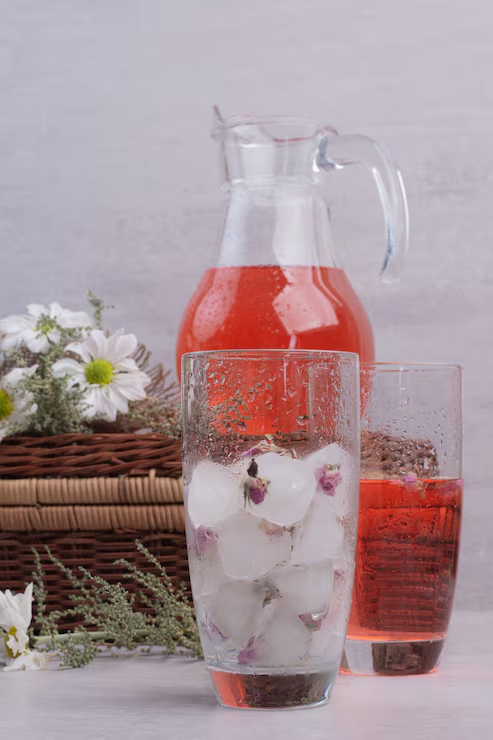
Adding Himalayan pink salt to water is a popular wellness habit, often framed around electrolytes, hydration, or morning routines. The chemistry is straightforward: salt dissolves into sodium and chloride ions, with trace amounts of other minerals. Whether that helps you depends on your overall diet, activity level, and health, not on the pink color of the salt.
What dissolves in the glass
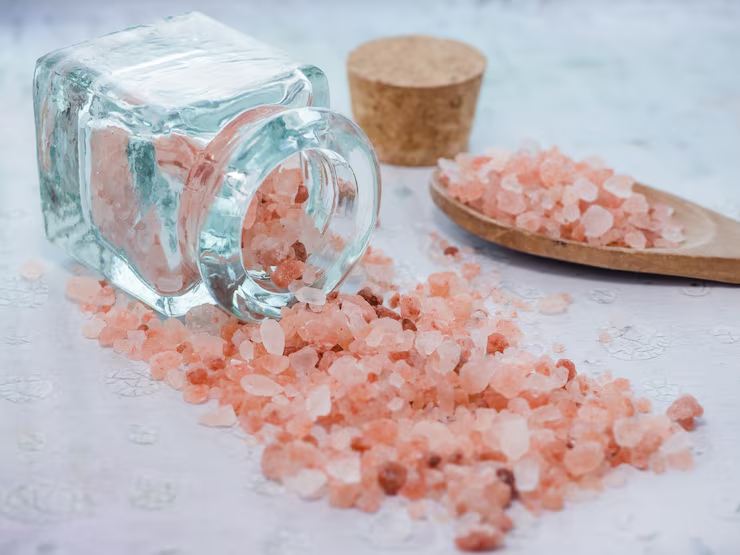
Himalayan pink salt is roughly 97–99% sodium chloride. The remaining fraction includes small quantities of minerals such as calcium, potassium, and magnesium. In a typical pinch of salt added to water, the mineral contribution beyond sodium is tiny compared to what you get from food.
| Component | Role in water |
|---|---|
| Sodium | Primary electrolyte; affects fluid balance |
| Chloride | Pairs with sodium; supports normal physiology |
| Trace minerals | Present in small amounts; not a supplement replacement |
For context on the salt itself, see what is Himalayan pink salt.
Electrolytes and hydration
Electrolytes are minerals that carry charge in body fluids. Sodium is the main one people discuss in sports hydration. Commercial electrolyte drinks are formulated with specific ratios of sodium, potassium, and carbohydrates for exercise recovery.
A pinch of pink salt in water adds sodium but not a balanced electrolyte profile. For light daily activity, meals usually supply adequate minerals. For prolonged intense exercise, heat illness risk, or illness with vomiting/diarrhea, follow medical or sports-nutrition guidance, which may include purpose-formulated solutions, not DIY salt water alone.
How much salt to add
Home recommendations often suggest a small pinch per liter of water for flavor. That is not a standardized medical dose. Sensitivity to sodium varies.
General cautions:
- People with hypertension, kidney disease, or heart failure often need sodium limits set by a clinician.
- Pregnant individuals should consult providers before adopting high-sodium drinks.
- Children have lower sodium tolerances than adults.
If you are adding salt for taste, start minimal and adjust. If you are adding salt for perceived health benefits, discuss it with a qualified professional first.
Solé water explained
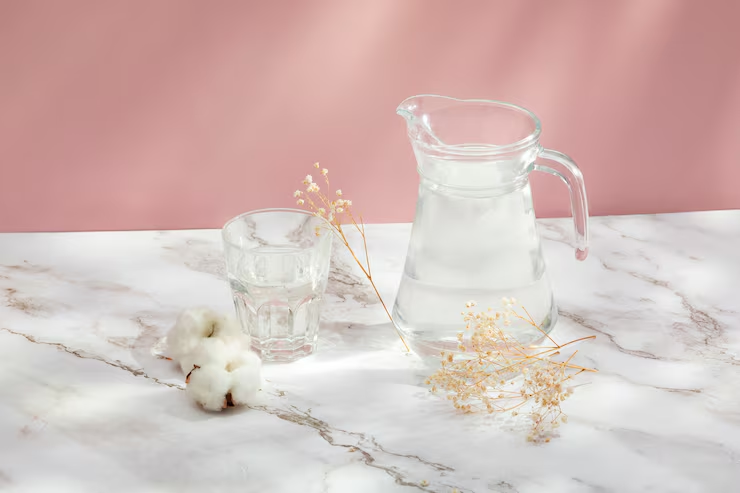
Solé water is made by placing stones of Himalayan salt in water until the solution saturates, then mixing a small amount of that brine into a full glass of water. Advocates describe it as a mineral tonic. Scientifically, it is still primarily a sodium chloride solution with trace minerals.
There is no robust clinical evidence that solé water outperforms a balanced diet for nutrition or detoxification. Detox claims should be treated skeptically, your kidneys and liver handle normal metabolic waste without salted morning rituals.
Morning salt water trends
Social media routines often pair warm salt water with lemon or other ingredients. Warm liquids can be soothing; lemon adds flavor and vitamin C from the juice. The salt mainly adds sodium. Any feeling of alertness may come from hydration after sleep, not a unique property of pink salt.
Salt baths vs salt water
Drinking salted water and bathing in salt are different topics. Bathing may feel relaxing; skin absorption of minerals is limited and not equivalent to dietary intake. Read our pink Himalayan salt bath guide for soaking uses.
Safer ways to support hydration
- Drink water regularly throughout the day.
- Eat fruits and vegetables that provide potassium and fluid.
- Use commercial electrolyte products when medically or athletically indicated.
- Limit alcohol and excessive caffeine if dehydration is a concern.
Bottom line
Himalayan pink salt in water is safe for many healthy adults in small culinary amounts, but it is not a magic hydration fix or weight-loss tool. Treat it as flavored water if you enjoy the taste, and respect sodium limits if your health depends on them.
For everyday kitchen use beyond water, see how to use Himalayan pink salt.
Frequently Asked Questions
- Does Himalayan pink salt in water provide electrolytes?
- It provides sodium and small amounts of other minerals. For most healthy people eating a normal diet, plain water is enough for hydration. Athletes or people with medical conditions may need tailored electrolyte strategies from a professional.
- How much pink Himalayan salt should I add to water?
- A pinch (roughly 1/8 teaspoon) per liter is a common home suggestion for taste, not a medical prescription. High sodium intake can be harmful for some individuals. Ask your doctor if you have blood pressure or kidney concerns.
- What is solé water?
- Solé (or sole) water is made by dissolving Himalayan salt in water until no more dissolves, then diluting that saturated solution into drinking water. It is a traditional preparation, not an evidence-based medical treatment.
- Is pink salt water good for weight loss?
- No reliable evidence shows that salted water alone causes weight loss. Any short-term scale changes may reflect water retention, not fat loss.
- Can I drink Himalayan salt water every day?
- Daily high-sodium drinks are not advisable for everyone. People monitoring sodium for heart or kidney health should follow medical guidance rather than wellness trends.
Related Reading
 How to Use Himalayan Pink Salt
Learn how to use Himalayan pink salt in cooking, choosing grain size, seasoning amounts, grinding, storage, and common mistakes to avoid.
 Pink Himalayan Salt Bath Guide
How to use pink Himalayan salt in baths, amounts, dissolving tips, skin comfort, and what bath salt claims do and do not support.
 What Is Himalayan Pink Salt?
What Himalayan pink salt is, composition, origin, color, culinary uses, and how it differs from table salt and sea salt.