
How-To
Pink Himalayan Salt Bath Guide
How to use pink Himalayan salt in baths, amounts, dissolving tips, skin comfort, and what bath salt claims do and do not support.
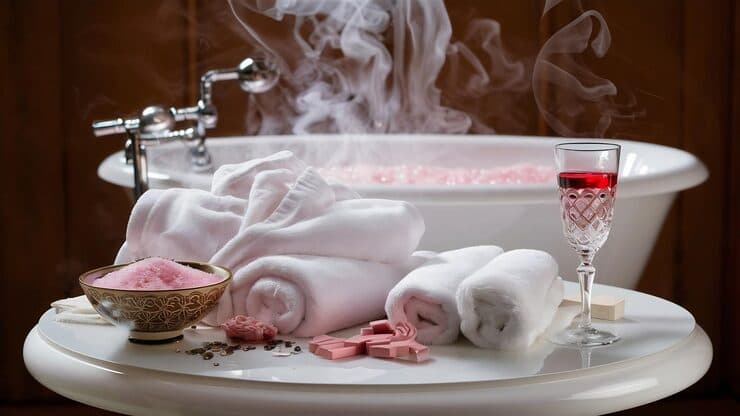
A pink Himalayan salt bath is a warm soak with dissolved salt crystals, similar to other bath salt rituals people use to unwind after exercise or a long day. The experience can feel pleasant and relaxing. Marketing sometimes lists detox or mineral therapy benefits that go beyond what research supports.
What a salt bath actually does
Warm water alone improves circulation and eases muscle tension for many people. Dissolved salt increases water density slightly and may leave skin feeling smooth when you dry off. Transdermal mineral absorption in amounts meaningful to nutrition is not established for typical bath durations.
| Claim | Evidence level |
|---|---|
| Relaxation from warm soak | Well supported for general comfort |
| Muscle soreness relief | Mixed; heat and rest help more than salt type |
| Detoxification | Not supported as a special property of pink salt |
| Major electrolyte replacement through skin | Not supported |
For drinking salt water, see pink Himalayan salt in water, a separate topic from bathing.
How to prepare the bath
- Clean the tub so you are not soaking in soap residue.
- Fill with warm water, comfortable, not scalding (around 100°F / 38°C is common).
- Add salt while water runs for easier dissolving. Start with 1/2 cup if you are new to salt baths; work up to 1–2 cups if comfortable.
- Stir until crystals dissolve. Undissolved grains can feel abrasive on skin.
- Soak 15–20 minutes. Longer soaks can dry sensitive skin.
- Rinse optionally with fresh water. Apply moisturizer if skin feels tight.
Use fine or medium bath-grade Himalayan salt for faster dissolving. Very coarse rock may take longer and scratch tub surfaces if not fully dissolved.
Who should be cautious
- Open cuts or infections, salt water can sting and may irritate wounds.
- Severe dry skin or eczema, salt can worsen dryness for some individuals.
- Low blood pressure, hot baths can cause dizziness when standing; hydrate and stand slowly.
- Pregnancy, consult a provider about bath temperature and duration.
This guide is not medical advice. See our disclaimer for more.
Pink salt vs Epsom salt
Epsom salt is magnesium sulfate, a different chemical from sodium chloride. Some people use Epsom salt for perceived muscle relief. Himalayan bath salt is primarily sodium chloride with trace minerals. You can find blended products, but they are not interchangeable in chemistry.
Bath salts with fragrance
Commercial pink bath salts may include essential oils or dyes. If you have allergies, read labels. Plain food-grade Himalayan salt avoids added fragrance if you prefer minimal ingredients.
After the bath
Drink water if the bath was hot. Salt on skin can feel tight as it dries, moisturizer helps. Clean the tub to prevent salt residue buildup over time.
Bottom line
A pink Himalayan salt bath is a reasonable self-care ritual if your skin tolerates it and you enjoy the feel. Choose it for relaxation, not for detox promises or mineral supplementation. For everyday culinary salt use, return to how to use Himalayan pink salt.
Frequently Asked Questions
- How much pink Himalayan salt should I put in a bath?
- Many home guides suggest 1–2 cups of bath-grade salt per standard tub of warm water. Start with less if you have sensitive skin. Dissolve salt fully before soaking.
- What are the benefits of a pink Himalayan salt bath?
- Warm baths can relax muscles and feel soothing. Claims about detoxification or major mineral absorption through skin are not well supported by science.
- Can a salt bath help with skin conditions?
- Some people find salt baths comforting, but skin conditions vary. People with eczema, open wounds, or irritation should ask a dermatologist before soaking in salt water.
- Is bath salt the same as table salt?
- Bath products may use coarser grains or added fragrance. Use food-grade Himalayan salt only if the package is labeled for bathing and free of contaminants.
- Should you rinse after a Himalayan salt bath?
- A quick rinse with fresh water can remove residue that might dry skin. Pat dry and moisturize if needed.
Related Reading
 Pink Himalayan Salt in Water
Should you add Himalayan pink salt to water? Learn about electrolytes, how much to use, solé water, and what research actually supports.
 How to Use Himalayan Pink Salt
Learn how to use Himalayan pink salt in cooking, choosing grain size, seasoning amounts, grinding, storage, and common mistakes to avoid.
 What Is Himalayan Pink Salt?
What Himalayan pink salt is, composition, origin, color, culinary uses, and how it differs from table salt and sea salt.