
Guide
Organic Himalayan Pink Salt Explained
What organic Himalayan pink salt means, certification realities for mined salt, labeling tips, and how it compares to conventional pink salt.
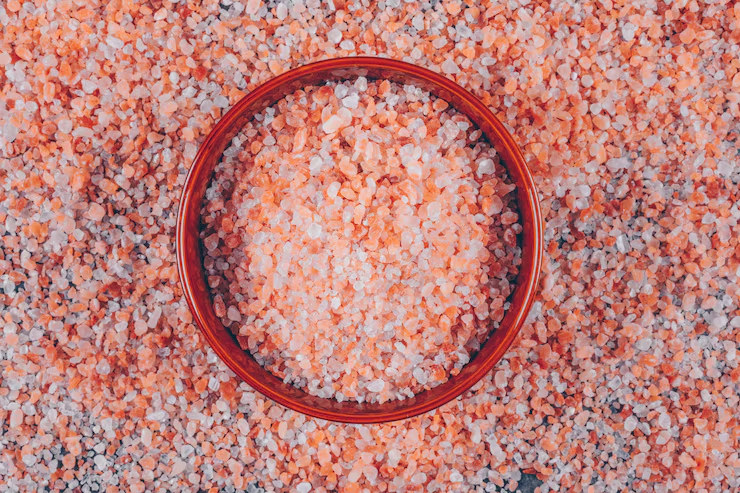
Shoppers searching for organic Himalayan pink salt usually want assurance about purity, natural sourcing, and minimal processing. The label can be confusing because salt is not grown like produce, it is mined from ancient rock deposits. Understanding what "organic" means on a salt package helps you buy with clear expectations, not marketing assumptions.
Salt is a mineral
Organic agriculture standards were designed for crops and livestock. Rock salt existed long before farming. When pink salt is called organic, certifiers typically evaluate:
- Handling and processing, allowed cleaning agents, separation from non-food materials
- Contamination controls, heavy metals, pollutants
- Traceability, chain from mine to package
They are not certifying that salt was "grown" without synthetic fertilizer, that concept does not apply underground.
Conventional vs organic labeling
| Aspect | Typical conventional food-grade | Certified organic (when claimed) |
|---|---|---|
| Source | Pakistani halite deposits | Same geological source |
| Processing | Crush, sieve, package | Audited processing standards |
| Additives | Should be none for pure salt | Restricted processing aids per certifier |
| Nutrition | Sodium chloride + traces | Essentially identical |
For baseline knowledge about the product, read what is Himalayan pink salt.
Certification varies by market
Different countries recognize different bodies. A package sold in one region may display a logo that does not transfer meaning elsewhere. Verify:
- Which agency issued certification
- Whether the cert applies to the mine, processor, or brand
- Expiration or audit dates if shown
Absence of an organic logo does not automatically mean poor quality. Many reputable salts are conventional food-grade with testing documentation.
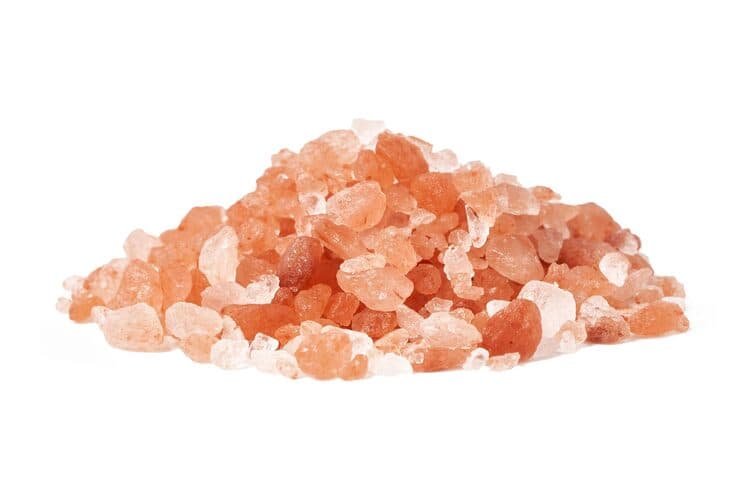
Purity matters more than color
Whether organic or not, prioritize:
- Food-grade labeling for culinary use
- Origin transparency (Pakistan / Khewra region)
- Single ingredient, salt only
- Appropriate grain for your use, see coarse vs fine
Laboratory testing for contaminants is more meaningful to safety than a pink hue.
Environmental and ethical sourcing
Some buyers choose organic-certified products hoping for better environmental or labor practices. Certification may include some supply-chain requirements, but it is not a complete ethics guarantee. Brands that publish sourcing stories and third-party testing offer another layer of accountability.
Cooking use
Organic pink salt seasons identically to conventional pink salt. Use the same techniques in how to use Himalayan pink salt. No recipe adjustment is needed solely because of organic certification.
Compare with other salts in Himalayan pink salt vs sea salt if you are deciding between products.
When "organic" is a red flag
Be cautious if:
- The label lists dyes or anti-caking agents while claiming organic purity
- Price is far below market norms for certified product
- Origin is vague or missing
- Health cure claims appear on packaging
Salt cannot replace medical treatment or balanced nutrition.
Bottom line
Organic Himalayan pink salt is primarily a processing and handling certification, not a different kind of salt from the ground. Buy from transparent suppliers, match grain size to your kitchen, and treat organic as one quality signal among several, not proof of superior health effects.
Future ecommerce pages may highlight certified products; this article remains informational only with no product endorsements.
Frequently Asked Questions
- Can salt be organic?
- Salt is a mineral, not a plant or animal product. Some certifications apply to processing and handling rather than growing. Standards vary by country and certifying body.
- Is organic Himalayan pink salt healthier?
- There is no strong evidence that certified organic pink salt provides better nutrition than conventional food-grade pink salt from reputable sources.
- What should I look for on the label?
- Look for food-grade designation, country of origin, certifying agency if organic is claimed, and ingredient list showing only salt without fillers.
- Does organic mean pesticide-free?
- Mined salt is not farmed with pesticides. Organic claims usually address processing aids, contamination controls, and supply chain rules rather than farming practices.
- Is organic pink salt worth the extra cost?
- That is a personal choice. Paying more may reflect certification costs and branding. Prioritize purity, sourcing transparency, and grain size for your cooking needs.
Related Reading
 What Is Himalayan Pink Salt?
What Himalayan pink salt is, composition, origin, color, culinary uses, and how it differs from table salt and sea salt.
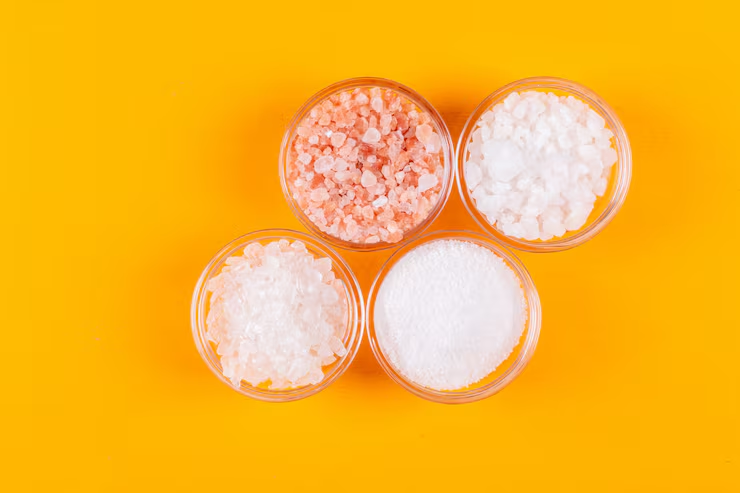 Himalayan Pink Salt vs Sea Salt
Compare Himalayan pink salt and sea salt, source, processing, taste, minerals, iodine, and which to use for cooking.
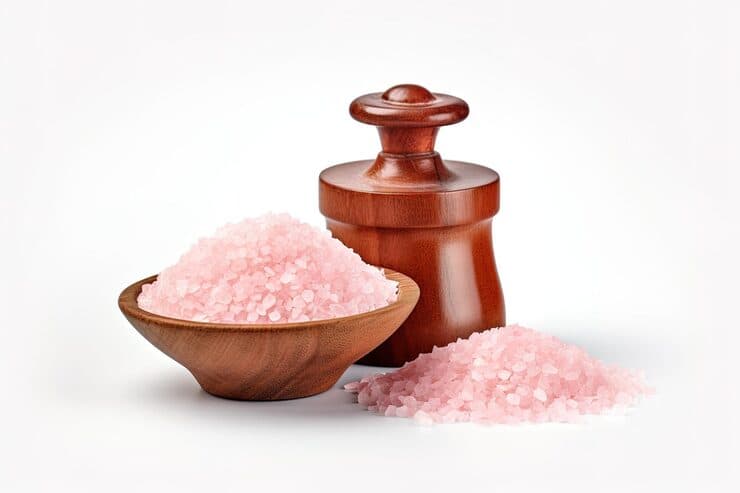 How to Use Himalayan Pink Salt
Learn how to use Himalayan pink salt in cooking, choosing grain size, seasoning amounts, grinding, storage, and common mistakes to avoid.